How credit works, why it matters, and how to use credit cards responsibly
📘 Short Lesson (2–4 paragraphs)
Credit is one of the most powerful tools in personal finance. It determines whether you can buy a home, finance a car, get approved for loans, and even influences insurance rates and job opportunities. Your credit score is a numerical representation of how trustworthy you are with borrowed money. The higher your score, the easier and cheaper it becomes to borrow.
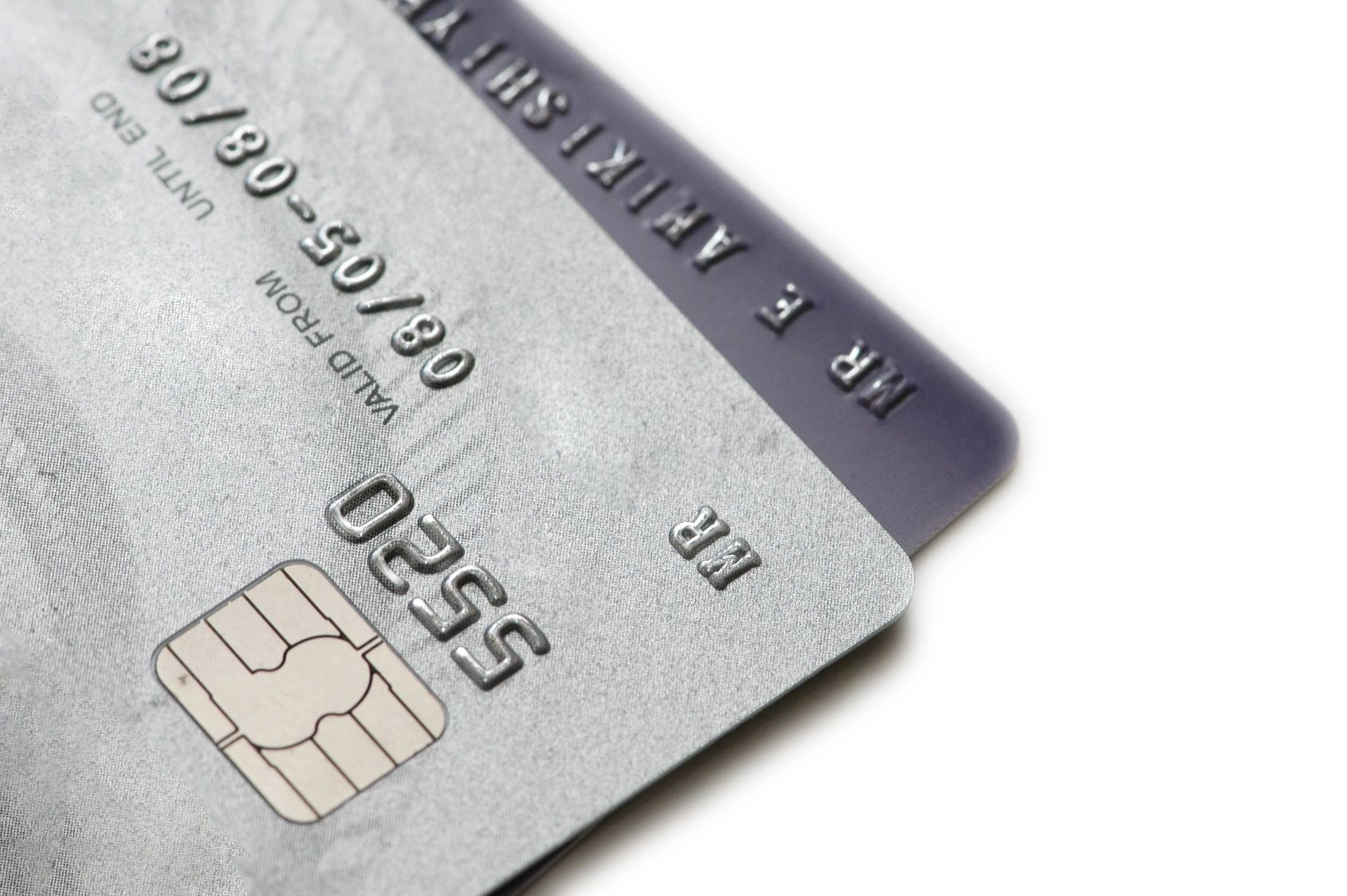
Credit cards are one of the most common tools for building credit. When used responsibly, they help establish a positive payment history, increase your available credit, and earn rewards like cash back or travel points. However, when misused — carrying high balances, missing payments, or maxing out cards — they can damage your score and lead to expensive debt.
Your credit score is made up of five main factors: payment history, credit utilization, length of credit history, new credit inquiries, and types of credit. The most important factor is payment history — paying your bills on time. The second most important is utilization, which is the percentage of your available credit you’re using. Keeping utilization under 30% is ideal, and under 10% is excellent.
Credit cards also come with terms you must understand: APR (Annual Percentage Rate), minimum payments, statement cycles, and fees. APR is the interest rate you pay if you carry a balance. Minimum payments keep your account active but can trap you in long-term debt. When used wisely, credit cards can help you build credit, earn rewards, and protect your finances — but they require discipline and awareness.
📝 Module Questions (with correct answers)
(Your app will handle the interactive part later — this is the content.)
Question 1
What is a credit score? A. A number that shows how much money you earn B. A number that shows how trustworthy you are with borrowed money C. A number that shows your bank balance D. A number that shows your yearly income
Correct Answer: B
Question 2
Which factor has the biggest impact on your credit score? A. Number of credit cards you have B. Payment history C. Your job title D. Your age
Correct Answer: B
Question 3
What is credit utilization? A. The number of loans you have B. The percentage of your available credit you’re using C. The amount of cash you withdraw monthly D. The number of times you use your debit card
Correct Answer: B
Question 4
What is a good credit utilization percentage? A. 80% B. 50% C. Under 30% D. 100%
Correct Answer: C
Question 5
What does APR stand for? A. Annual Payment Rate B. Annual Percentage Rate C. Average Payment Return D. Annual Personal Rating
Correct Answer: B
Question 6
What happens if you only make minimum payments on a credit card? A. Your balance disappears B. You avoid interest C. You stay in debt longer and pay more interest D. Your credit score automatically increases
Correct Answer: C
Question 7
Which of the following is a benefit of responsible credit card use? A. Higher debt B. Lower credit score C. Building credit and earning rewards D. More fees
Correct Answer: C
Question 8
Which factor is NOT part of your credit score? A. Payment history B. Credit utilization C. Length of credit history D. Your yearly salary
Correct Answer: D
“Great job completing Module 3: Credit & Credit Cards! Click below to continue to Module 4 — Loans & Debt Management.”
Module 1-6 allows you read and asses the questions and learn this answers. At any time you can take the test for the certification.